Essential Food Safety Tips from Healthy Recipe Spot
Healthy Recipe Spot presents an elaborate guide to essential food safety tips to fuel your culinary creativity while ensuring that your kitchen endeavors remain not just delicious, but also safe.
Proper Food Storage
One of the crucial aspects of food safety can be traced back to how you store your groceries and leftovers. Proper food handling and storage can extend the life of your ingredients, prevent food waste, and more importantly, keep you safe from foodborne illnesses.
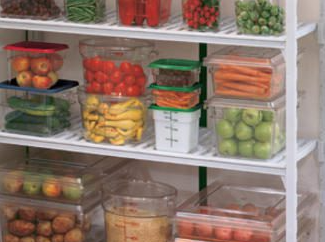
How to Store Foods Properly?
-
Refrigerate ahead: Don't leave perishable food items out for more than two hours. Use your fridge for immediate storage, especially for dairy, meat, and seafood items.
-
Packaging and Sealing: Make sure to store food items in well-sealed containers or use plastic wraps if necessary. Sealing prevents odor crossover and maintains the food's freshness.
-
Organise your Refrigerator: Keep your fridge clean and well-organized. Raw meats should be stored at the bottom, wrapped in bags to prevent dripping and possible cross-contamination.
How long Can You Store Leftovers?
Generally, leftovers can be kept in the fridge for up to 3-4 days. Make sure to cool your food quickly and then place it in smaller, shallow containers for speedy chilling in the fridge.
Temperature Control
Managing the right temperature in food storage and while cooking is vital for food safety. Here's why.
Why is Temperature Control Important in Food Safety?
Microorganisms, including bacteria that cause foodborne illnesses, reproduce rapidly within specific temperature ranges. This range is often referred to as the "Danger Zone", between 40°F and 140°F. Ensuring that your storage and cooking temperatures stay out of this range is critical to food safety.
How to Ensure Correct Cooking Temperature?
Use a food thermometer to ensure food is cooked to a safe internal temperature. For example:
- Poultry, stuffed meat, leftovers: 165°F
- Ground meat: 160°F
- Eggs, Beef, veal, lamb roasts, seafood: 145°F
Refrigerator and Freezer Temperature
The refrigerator temperature should be at or below 40°F, and the freezer at 0°F.
Prevention of Cross-Contamination
Cross-contamination can occur when harmful bacteria from one food source are transferred to another, creating potential health hazards.
How to Prevent Cross Contamination?
-
Separate Cutting Boards: Use different cutting boards for raw meats, fresh produce, and prepared foods.
-
Washing: Always wash your hands, utensils and cutting boards before and after handling different types of food.
-
Storage: Keep raw and cooked food separate in your fridge to prevent drips and cross-contamination.
Frequently Asked Questions
Which Foods are More Likely to Harbor Harmful Bacteria?
Perishable foods, especially meat, poultry, seafood, eggs, and dairy, are most likely to harbor harmful bacteria that cause food poisoning.
-
Meat: Commonly harbors Salmonella and E. coli. Signs of spoilage include a slimy texture, unpleasant odors, and discoloration.
-
Poultry: Can contain pathogens like Campylobacter and Salmonella. Indicators of bad poultry are a sour smell, a slimy texture, and a dull color.
-
Seafood: Prone to bacteria and viruses. Spoiled seafood often has an ammonia-like or overly fishy smell and becomes slimy or mushy.
-
Eggs: Can carry Salmonella. Check for cracks, a foul odor when cracked, or any discoloration in the yolk or whites.
-
Dairy Products: Unpasteurized products may contain Listeria or E. coli. Signs of spoilage include sour smell, changes in texture (clumpy for milk), or mold growth.
-
Ready-to-Eat Foods: Susceptible to Listeria. Look for any unusual odors, a change in texture, and expiration dates, especially in deli meats and prepared salads.
Proper handling, storage, and cooking of these foods are crucial to minimize the risk of foodborne illness.
Can I Use the Same Cutting Board for Meat and Vegetables?
Using the same cutting board for both meat and vegetables risks cross-contamination. Bacteria from raw meat can transfer to the vegetables, posing a health risk. It's best to use separate cutting boards for raw meats and vegetables. This is particularly important for raw veggies or fruits that you'll consume without cooking, as there's no heat treatment to kill potential bacteria.
Why Should You Never Thaw Food at Room Temperature?
Thawing food at room temperature can allow it to enter the "Danger Zone" (40°F - 140°F), a temperature range where bacteria can multiply rapidly. This increases the risk of foodborne illnesses. Thaw frozen food in the refrigerator, where it stays at a safe, constant temperature. Alternatively, use cold water or the microwave, which are quicker methods but still prevent the food from reaching unsafe temperatures.
What is the Four-Hour Rule in Food Safety?
The four-hour rule states that perishable food should not be out in the open for more than four hours. After this, the food should be consumed, refrigerated, or discarded to avoid bacteria growth.
In conclusion, practicing these food safety tips from Healthy Recipe Spot can provide a smoother, safer kitchen experience. Remember, the first step towards tasty food is a clean and safe preparation. Enjoy cooking, and stay safe!